EdTech & Learning Platforms
See where learners actually get stuck, before enrollment numbers and completion rates tell you the hard way.
Ubertesters helps EdTech teams test onboarding, course delivery, live classes, assessments, payments, and progress tracking across real devices and networks, all managed by a Dedicated Test Manager.
190+ countries | 600,000+ real devices | 500+ payment methods | 120,000+ vetted testers

Trusted by some of the world's smartest companies
Trusted by the world's top companies










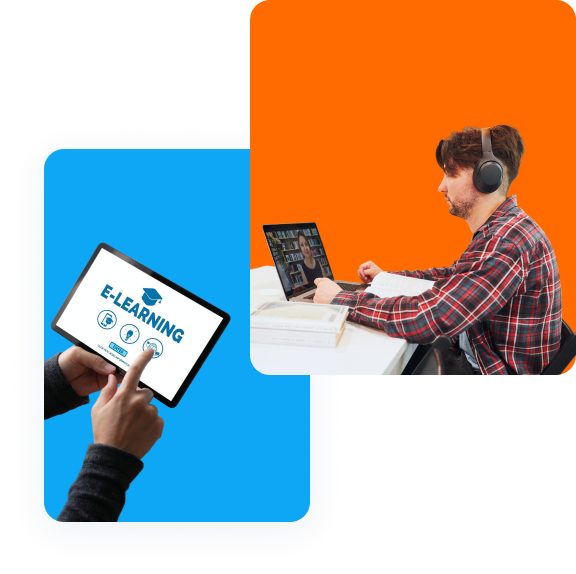
The complexity of real-world EdTech and learning environments
EdTech and learning platforms operate across some of the most varied usage conditions in software.
A minor issue in another application may frustrate a user. A glitch in a learning journey can stop a student from finishing a lesson, a teacher from grading an assignment, a parent from tracking progress, or a corporate learner from completing mandatory training.
Modern learning experiences depend on a fragmented mix of devices, operating systems, browsers, screen sizes, school and home networks, video and livestream infrastructure, content types (video, audio, interactive, downloadable), assessment engines, gamification mechanics, multi-role access (student, teacher, parent, admin, HR), offline and low-bandwidth conditions, accessibility requirements, and age-specific usability needs.
As EdTech companies expand into new regions, add new courses and content formats, scale live classes, launch mobile apps, and integrate with school or enterprise systems, validating real learner journeys under real-world conditions becomes significantly harder than traditional QA environments were built to handle.
Learners do not always complain about a bad experience. They just stop logging in
Most EdTech issues do not show up as obvious production bugs. They show up as abandoned sign-ups, unfinished courses, failed live-class connections, quiz submissions that silently fail, or learners who quietly disengage.

- Learners register but drop off before completing onboarding or placement steps
- Video lessons buffer, fail to load, or skip sections on specific devices or networks
- Live classes disconnect, lag, or lose audio/video sync during peak usage
- Quiz or exam progress is lost due to auto-save, timer, or connectivity issues
- Payment or subscription flows fail with real cards, wallets, or institutional billing
- Certificates, badges, or progress data do not update correctly after completion
- Parent or teacher dashboards show inaccurate or delayed progress information
- Mobile app performance degrades on older devices or low-bandwidth connections
- Accessibility features do not work as intended for learners who rely on them
- Localized course versions look correct but feel unfamiliar or broken to local learners
These are not just bugs. They are abandoned enrollments, incomplete courses, failed exams, lost revenue, frustrated teachers and parents, and lower learner retention that often surfaces only after real learners are already affected.
Even a small percentage of hidden failures can compound into meaningful business impact when they affect high-volume flows such as onboarding, live classes, assessments, or payments.

WHAT MOST TEAMS MISS
In EdTech and learning platforms, even a small percentage of silent failures can have a disproportionate impact because they occur during high-intent moments such as enrollment, first lesson, live class check-in, and exam submission.
These issues often remain invisible until they affect completion rates, learner retention, parent and teacher trust, support volume, or expansion into new schools, institutions, and markets.
We see these patterns consistently across LMS, K-12, higher ed, and corporate learning platforms operating at scale.
Where EdTech and learning flows fail in the real world
EdTech teams often struggle to validate real learners, real devices, real networks, real content behavior, and real classroom or corporate conditions before launch.
Learner onboarding and enrollment
Validate sign-up, account creation, course or program enrollment, payment or subscription setup, placement tests, and first-session experience across devices, ages, and regions.
Course and content delivery
Test video playback, audio, interactive lessons, downloadable materials, progress tracking, bookmarking, offline access, and content rendering across devices, browsers, and connection speeds.
Live classes and virtual classrooms
Validate live video, audio quality, screen sharing, breakout rooms, chat, hand-raising, attendance tracking, and connection stability across networks, devices, and participant loads.
Assessments and grading
Test quiz and exam flows, timers, auto-save, question randomization, file uploads, plagiarism checks, grading, and result delivery under real exam-day conditions.
Gamification and engagement features
Validate badges, points, leaderboards, streaks, certificates, and progress rewards, along with notifications and reminders that drive learners back into the platform.
Payments and subscriptions
Validate one-time payments, recurring subscriptions, institutional billing, discount codes, refunds, and region-specific payment methods across real cards, wallets, and currencies.
Multi-role access and reporting
Test student, teacher, parent, and administrator dashboards, permissions, progress reports, communication tools, and data accuracy across roles and devices.
Mobile learning and offline access
Validate app installs, push notifications, offline content sync, download limits, and mobile-specific usability for learners studying on the go or with limited connectivity.
Accessibility and localization
Validate screen reader support, captions, keyboard navigation, font scaling, language switching, right-to-left layouts, and age-appropriate design across markets.
Real learning environments. Real devices. Real networks. Not a lab simulation
Ubertesters helps EdTech and learning platform teams use crowdtesting to validate critical learner journeys under real-world conditions.

- Real users representing different devices, locations, and usage scenarios
- Real school, home, and corporate network conditions
- Real live-class and virtual classroom scenarios
- Real assessment and exam-day conditions
- Real payment methods and subscription behavior
- Real student, teacher, parent, and admin role testing
- Real mobile, offline, and low-bandwidth usage
- Real accessibility and localization scenarios
- Coverage across 190-plus countries
- Dedicated Test Manager for planning, execution, quality control, reporting, and communication
Most testing platforms simulate users, devices, or network conditions. Ubertesters uses crowdtesting to validate how real learners, teachers, and parents experience your platform across real devices, networks, locations, and connection quality.
Unlike internal teams who already understand the product, external testers interact with learning platforms from a fresh perspective, uncovering usability issues, confusing workflows, and real-world friction that internal QA often misses.
Where a lesson turns into a dropped session
 Onboarding and enrollment
Learners fail to complete sign-up, placement steps, or first-session setup due to friction that internal QA does not reproduce.
 Course and content delivery
Videos, audio, and interactive lessons load inconsistently, skip content, or fail to save progress across devices and connection speeds.
 Live classes
Video, audio, chat, and breakout room features degrade or disconnect under real network and device conditions during live sessions.
 Assessments and exams
 Quiz timers, auto-save, file uploads, and grading behave differently under real exam-day pressure and connectivity.
 Payments and subscriptions
Enrollment payments, recurring billing, discount codes, and institutional billing fail with real payment methods and regional variations.
 Multi-role dashboards
Student, teacher, parent, and admin views show delayed, incomplete, or inaccurate progress and reporting data.
 Mobile and offline learning
App performance, offline sync, and download behavior degrade on real devices and real-world connectivity.
 Accessibility and localization
Screen readers, captions, keyboard navigation, and localized content do not behave as intended for real learners across markets.
Real-world examples

WHY EdTech COMPANIES CHOOSE UBERTESTERS
EdTech and learning platform teams choose Ubertesters when they need more than standard QA coverage. The value is not only access to testers, but the ability to validate real learner journeys, live classes, assessments, payments, and multi-role experiences under conditions internal teams cannot easily reproduce.
Ubertesters gives EdTech teams practical visibility into what happens outside the lab, without the need to recruit, brief, coordinate, or manage testers themselves.
Business impact
Testing EdTech and learning platforms in the real world helps teams identify issues earlier, reduce production risk, and launch stronger learning experiences.
How it works

Define critical edtech flows
Define critical flows such as onboarding, course delivery, live classes, assessments, payments, or multi-role reporting

Match real users
Match users by profile, device, region, connectivity, and testing requirements

Execute real-world travel scenarios
Execute real-world scenarios across relevant environments

Get validated results
Get validated results with clear insights and actionable reporting
FAQ
What is EdTech testing?
Can Ubertesters test live classes and virtual classrooms?
Can Ubertesters test assessments and exams?
Can Ubertesters test EdTech payment and subscription flows?
Which parts of an EdTech platform benefit most from crowdtesting?
- live classes
- Assessments
- Payments
- Localization
- Accessibility
- Mobile
- offline learning
Can Ubertesters test mobile learning apps and offline access?
Can Ubertesters test accessibility for learning platforms?
Why do EdTech platforms fail in production even after QA?
How is crowdtesting different from internal QA?
Why is crowdtesting useful for EdTech platforms?
Can Ubertesters support new market or course launches for EdTech companies?
What is LMS testing?
Why is real-world testing critical for EdTech?
Can Ubertesters test learning platforms before a major release?

You don't need
more QA.
You need confidence that real learners can enroll, complete courses, attend live classes, submit assessments, and succeed under real-world conditions.
No commitment. We'll help you identify where real-world testing can reduce learner friction, improve completion rates, and strengthen engagement before issues reach production.