Ubertesters uses real anonymous shoppers in 190 countries to catch service gaps, localization problems, and inconsistencies before they cost you revenue and trust















Mystery shopping testing is the process of using real anonymous individuals to evaluate a customer experience as everyday customers would encounter it.
A mystery shopper follows a predefined or exploratory journey and documents what happens across key touchpoints, such as browsing, registration, checkout, payment, support, fulfillment, return, or post-sale communication.
Unlike internal teams, mystery shoppers do not know how the experience is intended to work. This allows them to reveal issues that customers actually face, including confusing flows, failed transactions, unclear messaging, poor support, localization gaps, inconsistent service, or broken handoffs between digital and physical channels.
Modern mystery shopping is no longer limited to physical stores. Companies now use it to test websites, mobile apps, payment journeys, onboarding flows, retail locations, customer support, franchise operations, and full omnichannel experiences.
Ubertesters combines traditional mystery shopping with enterprise crowd testing, enabling companies to validate real customer journeys at scale across devices, countries, languages, and locations.

Mystery shopping testing can validate digital, physical, and omnichannel customer experiences.

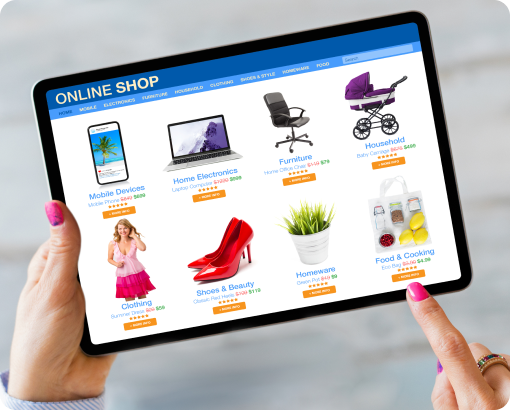
Physical mystery shopping evaluates in-store and location-based experiences, including:

Customer experience gaps are often hard to detect from inside the organization. Internal teams understand the intended process. Customers encounter the real one: unclear instructions, slow responses, failed payments, inconsistent staff behavior, unsupported local payment methods, confusing policies, or experiences that vary by device, region, language, or location. Mystery shopping testing helps companies move from assumptions to evidence.
Crowd testing makes mystery shopping faster, broader, and more scalable.
Instead of relying on a limited pool of local evaluators, companies can deploy real people across countries, cities, languages, devices, demographics, customer profiles, and market conditions.

With Ubertesters, companies can test customer experiences across:
Because testers use real environments, real devices, and real customer-facing channels, the results reflect the conditions customers actually face.
Ubertesters supports mystery shopping testing across digital, physical, and omnichannel journeys.
Anonymous shoppers complete full customer journeys, from discovery and registration to purchase, support, and post-sale communication, documenting friction and failures along the way.
Real users evaluate checkout flows, payment method availability, pricing clarity, error messages, payment success, and confirmation experiences across devices, regions, and local payment environments.
Testers initiate real support interactions through chat, email, phone, or chatbot channels to evaluate response time, accuracy, professionalism, tone, resolution quality, and brand consistency.
Native-language testers evaluate language quality, cultural fit, local payment methods, regional UX expectations, and market-specific customer behavior.
Verified shoppers visit physical locations to evaluate staff behavior, service quality, store environment, operational consistency, product availability, compliance, and brand standards.
Testers validate journeys that combine digital and physical touchpoints, such as click-and-collect, pickup, returns, complaints, support handoffs, and online-to-offline promotions.
Mystery shoppers evaluate whether teams correctly apply verification requirements, compliance procedures, regulated flows, and age-restricted customer journeys.
Anonymous shoppers evaluate competitor products, platforms, stores, or services using structured criteria, helping companies understand where they lead and where competitors perform better.
Different stakeholders in the iGaming value chain have distinct testing priorities. Here is how Ubertesters delivers measurable value across the full ecosystem.
Test purchase journeys, checkout flows, mobile usability, returns, promotions, support quality, and store consistency.
Validate onboarding, KYC, payments, transfers, disclosure clarity, customer support, and branch experiences.
Test registration, KYC, deposits, withdrawals, bonus claim flows, responsible gaming tools, customer support, and age verification.
Evaluate booking flows, check-in experiences, service quality, loyalty programs, cancellation policies, refunds, and property-level brand standards.
Validate service quality, order accuracy, cleanliness, staff behavior, menu execution, delivery experiences, and franchise consistency.
Evaluate dealership visits, digital inquiries, test-drive booking, financing journeys, aftersales service, and support experiences.
Measure brand compliance, service consistency, pricing accuracy, promotional execution, and customer experience standards across locations.

Together, we identify the channels, customer journeys, devices, locations, and business processes you want evaluated.

We identify and select testers who match your target customer profile based on demographics, geography, devices, shopping behavior, or industry experience.

Together, we define and create structured scenarios or exploratory missions based on your business goals and customer flows.

Ubertesters coordinates testers, brief them, monitors execution, and manages reporting across all selected environments. For physical programmes, we manage logistics including travel coordination, purchase budgets, and tester reimbursement.

Access detailed reports including screenshots, customer feedback, observations, and operational insights. You access all submissions in real time through the Ubertesters robust platform.

Validate fixes, operational changes, or updated customer flows through additional testing cycles.
Companies choose Ubertesters for mystery shopping testing because it combines real-world customer feedback with scalable crowd testing infrastructure.
130,000+ vetted testers worldwide 600,000+ real devices Coverage across 190 countries Digital, physical, and omnichannel customer journey testing Real users across web, mobile, POS, support channels, and local market environments Global coverage with localized executionMystery shopping testing is a method for evaluating customer experiences using real anonymous shoppers who interact with a company’s website, app, store, service, or customer journey as regular customers would.
Digital mystery shopping evaluates online customer journeys, such as websites, mobile apps, checkout flows, payment experiences, onboarding, support, subscriptions, and post-purchase processes.
Physical mystery shopping evaluates in-store or location-based experiences, including staff behavior, service quality, store environment, checkout, compliance, promotions, and brand standards.
Yes. Mystery shopping testing can evaluate journeys that move between digital and physical touchpoints, such as online purchases, in-store pickup, customer support, returns, and promotional redemption.
Yes. Ubertesters can deploy verified testers across 190 countries to evaluate customer journeys in real markets, using real devices, local environments, and relevant customer profiles.
Yes. Ubertesters can evaluate publicly accessible competitor experiences using structured benchmarking criteria.
Results may include written observations, screenshots, recordings, survey responses, issue reports, customer journey feedback, and operational insights, depending on the testing scope.
Validate digital, physical, and omnichannel customer journeys using real people in real-world conditions.
Speak with Ubertesters to discover how mystery shopping testing can help improve customer experience quality, operational consistency, and business performance.
Get in touch, fill out the form below, and an Ubertesters representative will contact you shortly to find out how we can help you.
Want to see the Ubertesters platform at work? Please fill out the form below and we'll get in touch with you as quickly as possible.
Fill out a quick 20 sec form to get your free quote.
Please try again later.